Editing
Spelling and textual variation in 16th century sources
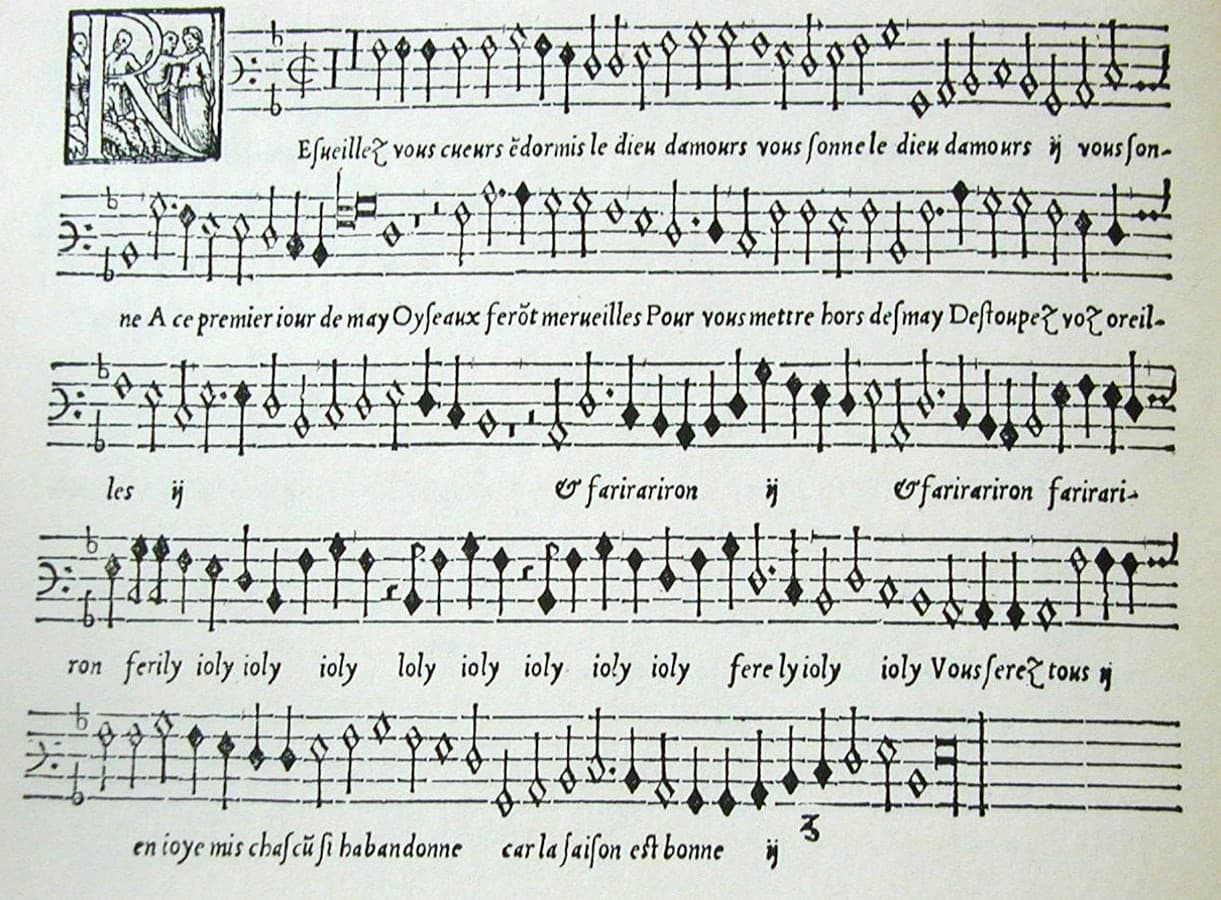
The spelling in 16th century sources should not be understood according to modern notions of orthographical correctness or uniformity. In most European languages, spelling had not yet been fully standardised. A particular word may therefore appear in several orthographical forms within the same source without any difference in meaning or pronunciation necessarily being implied.
Such variation is encountered in both sacred and secular repertoires. The texts transmitted in musical manuscripts and early printed collections often reflect the practices of individual scribes, printers or editors, rather than a single, universally accepted spelling. Differences between sources may also extend to punctuation, word division and, occasionally, the form or arrangement of the text itself.
The situation is somewhat more complex in the case of sacred texts. Although the Latin texts of the Mass, the Divine Office, biblical passages and many established hymns and antiphons belonged to long-standing liturgical traditions, their precise wording was not always transmitted in a consistent form. Different liturgical uses, local traditions and editions of service books could preserve variant readings, while composers themselves sometimes adapted a text to its musical setting through repetition, omission or reordering.
For this reason, textual differences between 16th century musical sources should not automatically be treated as errors. Instead, they provide evidence of the fluid process of textual transmission. In preparing modern editions, editorial choices are therefore necessary.